





















Types of Kitchen Knives
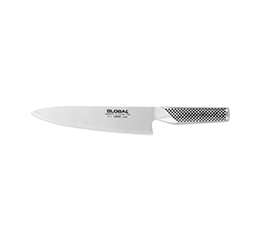
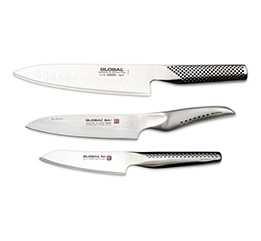
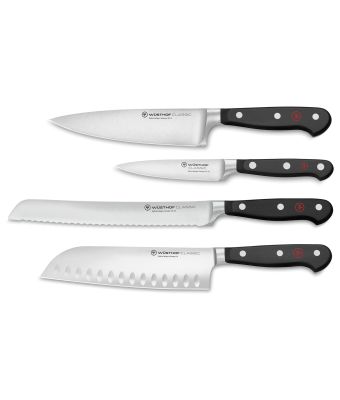
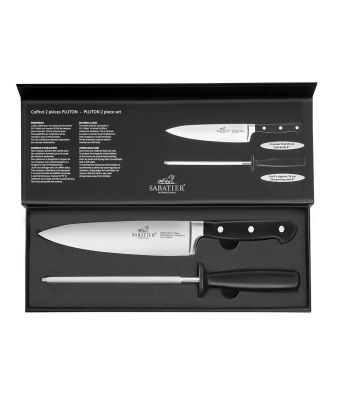
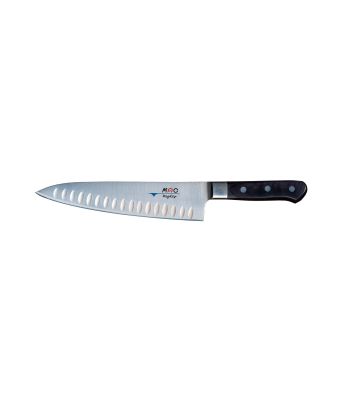
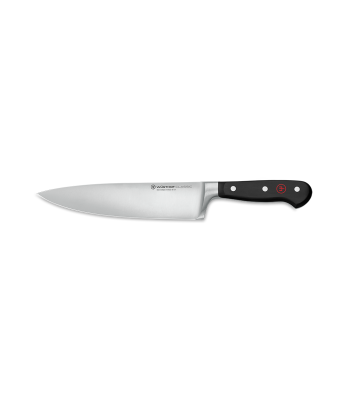
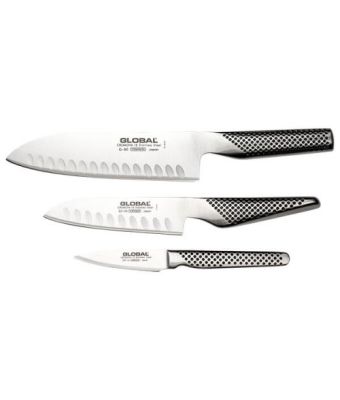
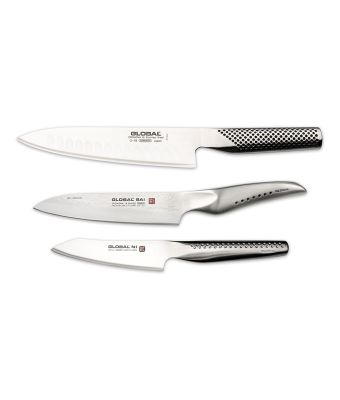
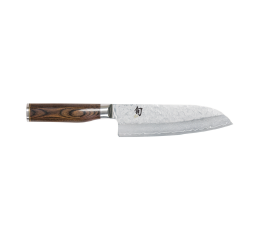
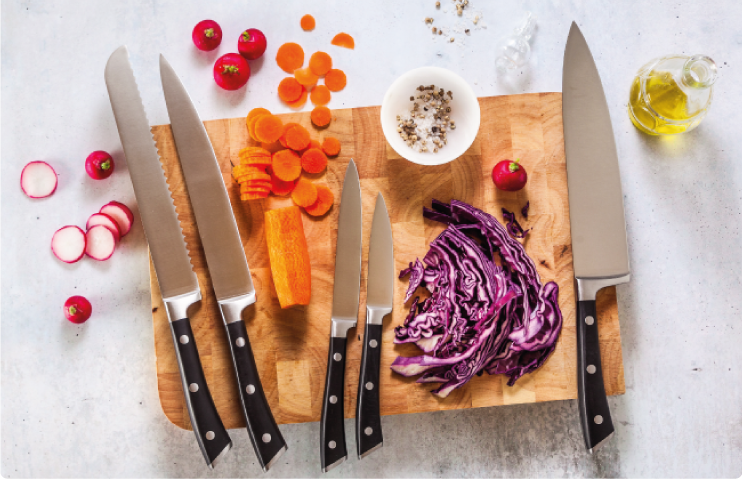
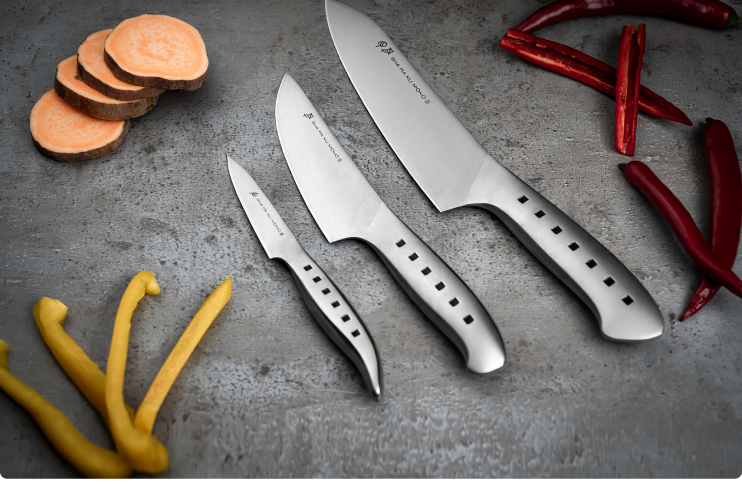
The most commonly used kitchen knives will surely be the cook's knife. Cook's knives are all-around kitchen knives used in a plethora of jobs in the kitchen. The main feature of this knife is that its blade is curved, allowing for a rocking motion to be used by a chef to chop finely and safely. With a heavy, sharp blade, these kitchen knives are often used in place of a cleaver to chop bones and heavier food preparations.
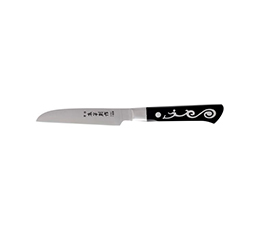
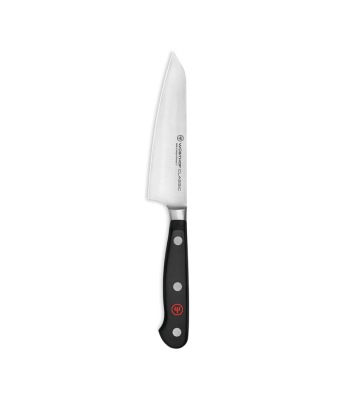
A Paring knife is a high-precision knife featuring a short blade that is perfectly suited for fine work such as removing skin from fruit and vegetables as well as creating decorative designs using food products. Most paring knives are standard in size and length, ranging from 2 1/2 to 4 inches.
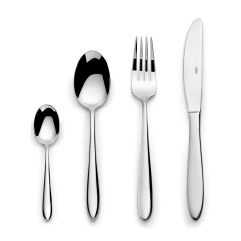
Utility kitchen knives are a combination of the cook's knife and the paring knife with a blade between 4 to 7 inches in length. It is not as commonly used as its specialty counterparts, due to the fact that the blade length, design and strength make it hard to manipulate and use in many areas of the cooking process. Utility kitchen knives have however found a function away from food preparation and are now widely used as cutlery.
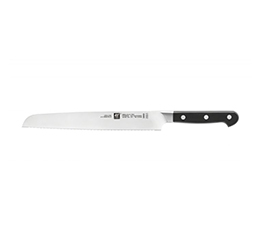
More specialty kitchen knives include the bread knife, which on average has an 8-inch blade and a serrated edge; making it ideal for slicing bread without squashing it. Another use of the bread knife is cutting through food products that have a hard outside and a soft inside. The long blade allows for the blade to slice directly through the object and avoid the chef's hand from hitting the surface while cutting.
Carving knives are large kitchen knives between 8 and 15 inches used in the slicing of roasted meats such as hams and poultry. The carving knife has a narrow blade that is ideal for finely cutting slices off a large piece of meat. Like the Carving knife the slicing knife is ideally suited for precision slicing, utilizing its longer, thinner blade. These kitchen knives can be found with either serrated or smooth edge blades, but often come with a rounded or blunt tip to aid in the separation of the slices of meat during cutting.
Other common kitchen knives that are well known in the minds of the public are Cleavers. With their large rectangular heavy blade, these kitchen knives are designed to chop through bone and meat. There are kitchen knives of a similar design, like the ham knife for instance, which share the feature of having a large blade.
The cleaver is set apart from all of these, due to its thick, heavy and robust blade. Cleavers are an indispensable tool if a chef is planning on preparing their own meat. Many cleavers found in restaurants are much thicker and larger than those found in a set of domestic kitchen knives.
What are kitchen knives made from
UKitchen knives are made and constructed from various different materials such as ceramics, carbon, laminated, titanium, stainless steel and even plastics. Most commonly-used kitchen knives are made from either carbon or stainless steel. Each steel type has different properties that benefit their use, while at the same time possessing traits that detract from their positives.
Carbon steel used in the construction of kitchen knives is alloy steel mostly made up of iron and carbon, which is inexpensive and retains its blade sharpness and edge. Stainless steel used in kitchen knives on the other hand is produced from iron alloy which is made up of chromium, molybdenum, nickel and in some cases carbon.
Stainless steel is highly resistant to rust; yet it is extremely hard to sharpen. This is why most stainless steel kitchen knives are serrated and this material is typically used in the construction of mainstream, inexpensive kitchen knives. Carbon kitchen knives are easily sharpened, though they are susceptible to rust and residue stains.
To overcome these common problems associated with these metals in the construction of kitchen knives, high carbon stainless steel (a hybrid of carbon and stainless steel) began to be used in blade construction. High carbon stainless steel is ideal for kitchen knives as it does not mark or corrode.
It also maintains its sharpness and holds its edge integrity for far longer, while still being relatively easy to sharpen. High carbon stainless steel kitchen knives are made from high quality alloys that are designed for durability and longevity.
Laminated blades are another form of construction used in the creating of high-quality kitchen knives. The effect created through the layering of different steel alloys that bring together the best elements of two metals can be clearly seen in these precision blades. By using hard steel layered upon soft steel, this creates a flexible yet robust blade that is perfect for the construction of kitchen knives.
There are two uniquely different materials used in the manufacturing of kitchen knives, which some people may know and some others have never heard of. One is titanium, which is a word that has become synonymous with quality in kitchen knives. Titanium is an expensive, lightweight material that does not stain and is resistant to corrosion.
Titanium kitchen knives are easily molded which means they do not retain sharpness, thus making the knife far more flexible than steel kitchen knives. The second material, ceramics, is little known in commercial kitchen knives and like titanium is light and does not affect the taste of the food being prepared.
The reason for acquiring ceramic kitchen knives is that they are sharp. The high-quality ceramics used in the manufacturing of such kitchen knives will not corrode or stain, yet are rather brittle making them susceptible to chipping and breaking during food preparation.
Plastic kitchen knives are unique and not often used in commercial kitchens, but rather as a disposable substitute for their more costly steel cousins. Due the fact that they are hard to sharpen and slightly brittle, plastic kitchen knives are not very popular and are mainly used to prepare fruit and vegetables to avoid discoloration of the food. Many plastic knives will get sharper the more they are used, eventually making them extremely sharp and dangerous if not handled correctly.